Cultural Heritage Revived in Décor »
Perhaps the most exciting aspect of current home décor trends is the celebration of cultural heritage and global influences.
In 2026, what’s old is truly new again: centuries-old rug styles from around the world are back in the spotlight, appreciated both for their artistry and the sense of history they bring.
Traditional Oriental, Persian, and tribal carpets – once considered too formal or old-fashioned for trendy interiors – are now coveted accent pieces even in ultra-modern homes.
Designers and homeowners are layering in these global touches to lend uniqueness and depth to a space.
It’s part of the broader move toward maximalist self-expression: rather than every room looking like a minimalistic showroom, people want conversation pieces and elements that reflect their roots or travels.
Persian-style rugs in particular are enjoying a renaissance. Instead of the crisp, saturated jewel tones of new Oriental rugs, many designers opt for those with a gently faded or distressed finish – or even antique rugs – because they exude a sense of story and aged patina.
The distressed details that once were seen as flaws are now prized for showing authenticity; it’s chic to showcase that your rug has a history. Similarly, Kilim rugs (flat-woven rugs from regions like Turkey and Central Asia) with their geometric tribal patterns are highly popular, bringing color and pattern in a relatively lightweight, versatile format.
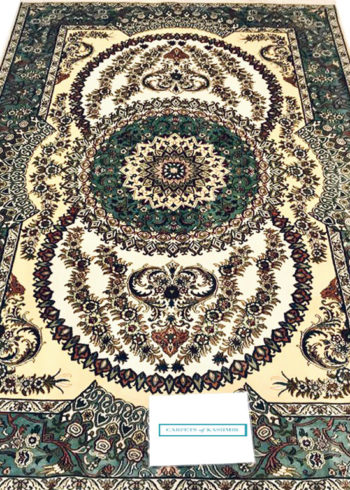
For Indian carpet makers like us; Carpets of Kashmir, this global trend is a vindication of their rich design heritage.
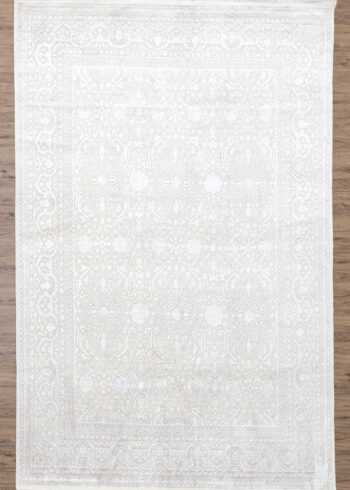
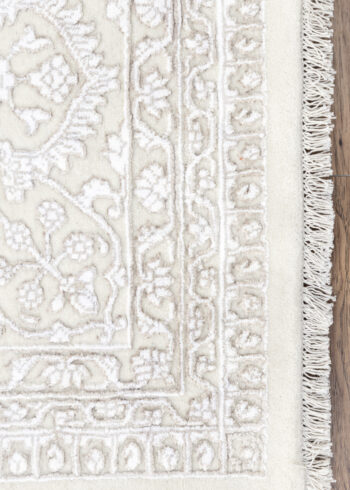
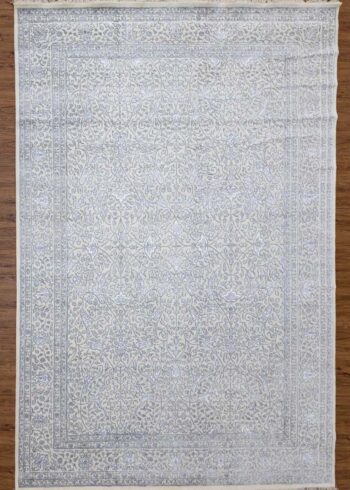
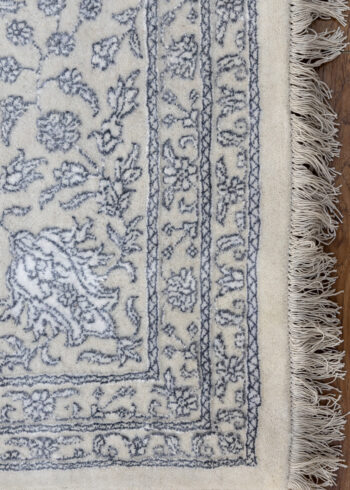
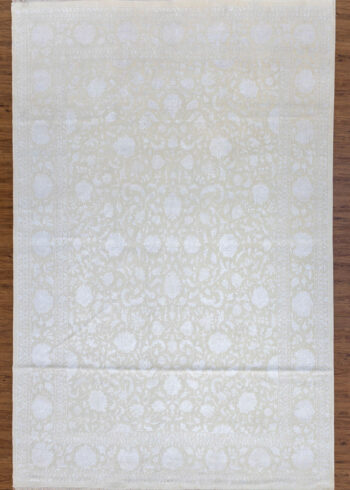
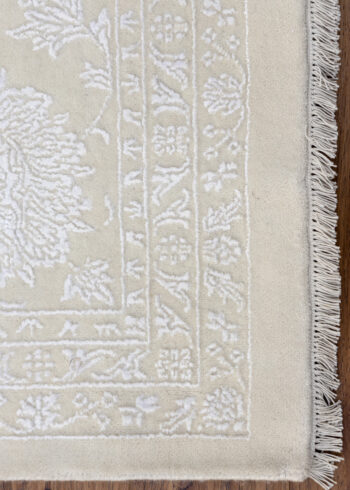
Our Moonlit Bazaar Collection is a perfect example: it was conceived as a seasonal showcase of fine 12×9 foot hand-knotted rugs meant to transform modern homes with warmth and elegance.
Drawing inspiration from the lantern-lit winter bazaars of the East, it brings together Persian and Kashmiri weaving traditions in its designs, but interprets them in a way that feels current and luxurious.
Imagine classic Kashan and Oriental floral motifs reimagined in a contemporary color palette of midnight blue, silver, and earthy spice tones – the effect is culturally resonant yet fresh.
Such a rug can ground a thoroughly modern room while also sparking that feeling of “where did this come from?” – an instant conversation starter.
Moreover, the influence of cultural heritage goes beyond just visual pattern – it extends to the ethos of home décor. There is a renewed respect for the craft techniques and symbolism behind traditional textiles.
Homeowners are not only buying the look, they’re also cherishing the knowledge that, for example, their carpet’s tree-of-life motif carries a message of prosperity, or that the weaving technique is the same used in a Maharaja’s palace decades ago.
This story element adds emotional value to the decor. Handcrafted collections like the Pratishtha series embrace this fully: each rug in the collection is imbued with motifs that honor classical Indian and Persian art, and the very process of its creation – hand-knotting by master artisans – is part of the appeal. In a time when technology is omnipresent, such human-made heirlooms provide a tangible connection to culture and history.
Finally, blending cultural rug styles with contemporary décor exemplifies the modern minimalism trend: a curated mix that is rich but cohesive.
A minimalist high-rise apartment might be brought to life by a bold tribal rug from the Caucasus, or a sleek console might sit atop a floral Kashmiri carpet – and it works. 2026 interiors are about mindful minimalism, where layered colors, patterns, and textures from various influences create a creative yet unified design.
The focus is not on chaotic mismatching, but on celebrating artistry while maintaining balance. Rugs are an ideal vehicle for this because they literally set the stage for a room.
By choosing a carpet that carries cultural weight – be it an heirloom-quality Oriental or a new piece from an artisan collection – homeowners can instantly elevate the space and anchor all the other design elements around it.